
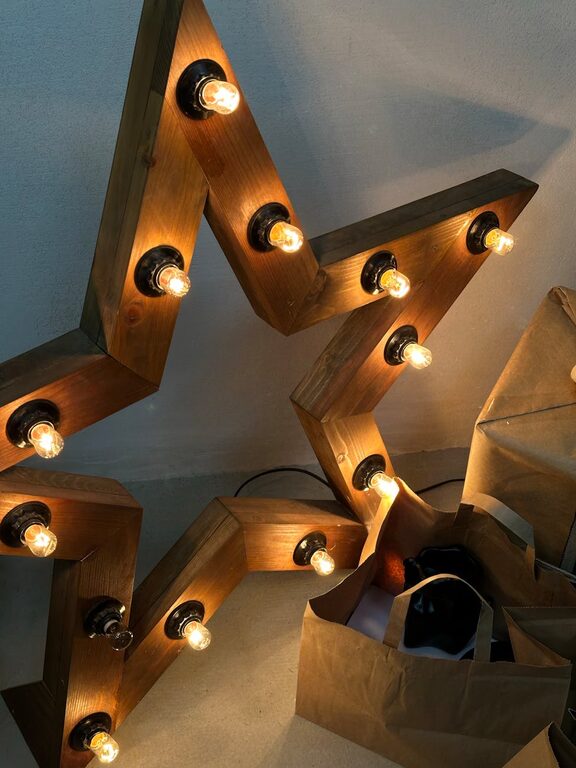
Creating a comfortable environment at home starts with the right lighting. The type and placement of lights can influence not only how your rooms look but also how you feel in them. Whether you’re reading, cooking, working, or relaxing, good lighting plays a key role in comfort and functionality. This post will guide you through practical tips for choosing comfortable home lighting tailored to your needs and style.
Why Comfortable Lighting Matters
Lighting affects mood, productivity, and even health. Harsh or poorly positioned lighting can cause eye strain, headaches, and an overall uncomfortable atmosphere. On the other hand, well-designed lighting improves visibility, enhances decor, and promotes relaxation. Understanding your lighting needs before purchasing fixtures can make a big difference in your home’s comfort.
Understand Different Types of Lighting
When planning your home lighting, it’s helpful to know the three main types:
– Ambient Lighting: General, overall lighting that illuminates the entire room. Examples include ceiling fixtures and recessed lights.
– Task Lighting: Focused light for specific activities like reading, cooking, or working. Desk lamps and under-cabinet kitchen lights fall under this.
– Accent Lighting: Decorative lighting that highlights artwork, plants, or architectural features.
Combining these layers creates a balanced and comfortable lighting environment.
Consider the Room’s Purpose
Each room has unique lighting needs based on its function:
Living Room
This space requires versatile lighting for relaxing, entertaining, or watching TV. Combine ambient lighting like ceiling lights with softer sources such as floor lamps or table lamps. Dimmers allow you to adjust brightness depending on the activity.
Kitchen
Bright, clear task lighting is crucial in kitchens to help with meal preparation and cooking. Under-cabinet lights and adjustable ceiling fixtures work well. Avoid overly harsh lighting to maintain a welcoming feel.
Bedroom
Soft, warm lighting supports rest and relaxation. Use bedside lamps with warm bulbs and consider blackout curtains to reduce outside light at night. Dimmers let you customize brightness easily.
Home Office
Adequate task lighting is essential to reduce eye strain during work. An adjustable desk lamp paired with natural light creates an effective workspace. Choose bulbs that mimic daylight for better focus.
Choose the Right Bulb Color Temperature
Bulb color is measured in Kelvins (K) and affects comfort:
– Warm White (2700K-3000K): Produces a cozy, yellowish light suitable for bedrooms and living rooms.
– Neutral White (3500K-4100K): Offers a balanced light perfect for kitchens and bathrooms.
– Cool White (5000K-6500K): Bright, bluish light ideal for work areas needing high visibility.
Experimenting with different color temperatures in various rooms can improve overall comfort.
Opt for Adjustable Lighting Options
Flexibility helps you tailor lighting to changing needs. Dimmers, smart bulbs, and multi-level switches let you control brightness and sometimes color temperature. This adaptability can enhance comfort throughout the day and evening.
Pay Attention to Light Placement
Strategic placement avoids glare and shadows, fostering comfort:
– Position task lights close to work areas.
– Use multiple light sources instead of a single overhead light.
– Avoid direct light in the eyes.
– Highlight decorative elements with accent lighting.
Well-distributed lighting makes rooms feel inviting and reduces strain.
Consider Energy Efficiency
Energy-efficient bulbs like LEDs provide comfortable lighting while reducing electricity bills. They last longer and generate less heat, helping maintain a comfortable room temperature.
Use Lampshades and Diffusers
Lampshades soften harsh light and distribute it evenly. Diffusers on ceiling lights serve the same purpose, creating a gentle ambiance that’s easier on the eyes.
Incorporate Natural Light
Maximize daylight through curtains or blinds that can be adjusted. Natural light benefits mood and saves energy. Coordinate artificial lighting so it complements natural light levels at different times.
Final Tips for Comfortable Home Lighting
– Test different lighting setups before finalizing.
– Choose fixtures and bulbs that match your style and needs.
– Keep bulbs clean for optimal brightness.
– Replace bulbs promptly when they dim or flicker.
By paying attention to these factors, you can create beautifully lit spaces that feel comfortable and welcoming every day. Lighting isn’t just functional—it shapes how you experience your home. Happy lighting!